How to Run Android on PC: Emulators, Bliss OS and More
The Mountain View tech giants have unveiled Android 12 for large screens. Here is how to install and run android 12L on your PC.

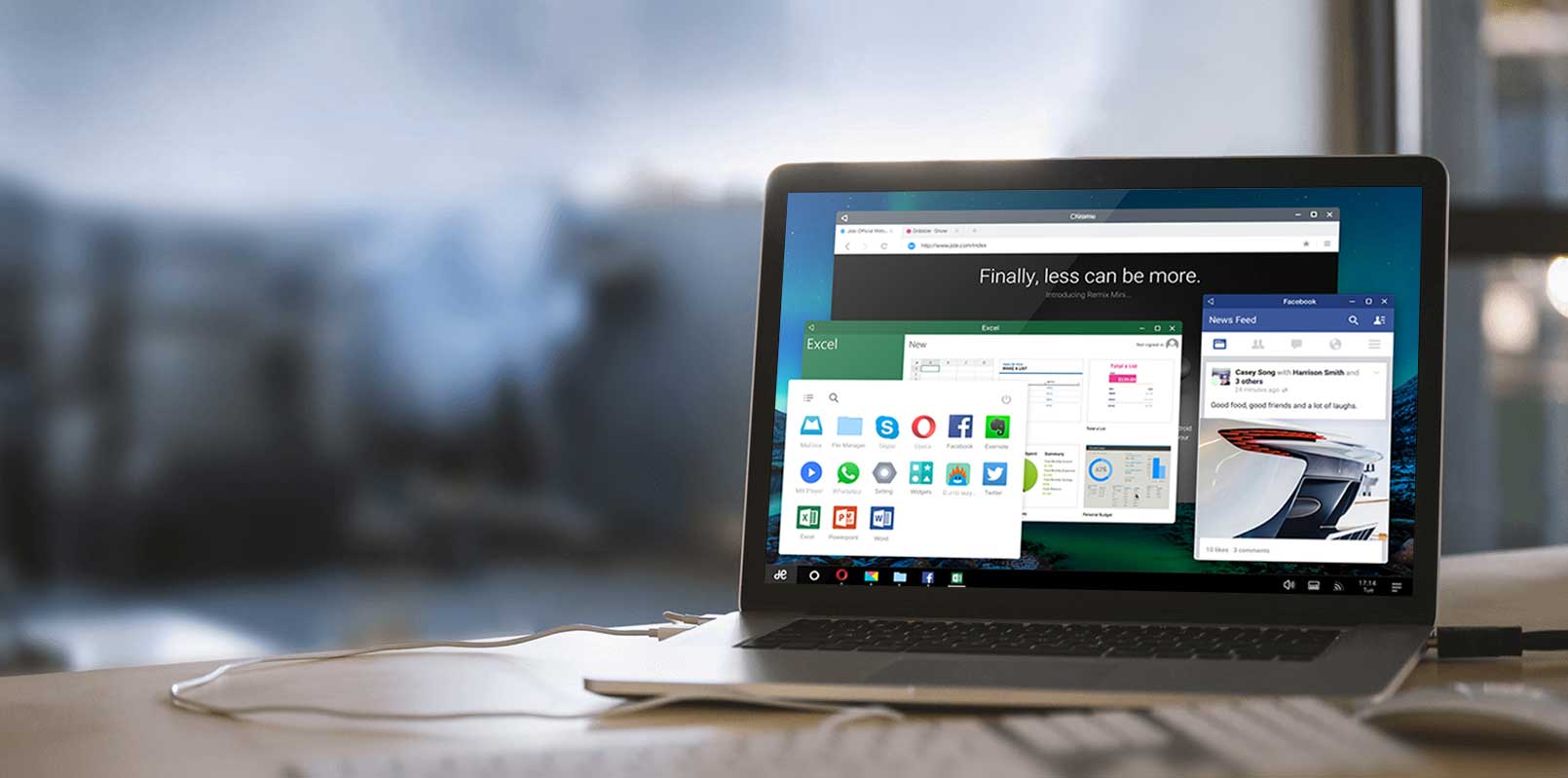
The easiest way to run Android on a PC is to install an Android emulator such as BlueStacks or Google Play Games for PC, which run Android apps inside Windows. If you want Android as a full operating system instead, install Bliss OS from a USB stick, either as a live test or alongside Windows. Microsoft’s Windows Subsystem for Android, which once did this natively on Windows 11, was shut down on 5 March 2025.
This guide compares the main options and walks through installing Bliss OS, the project that first brought Android 12L to PCs and now offers builds based on Android 13, 14 and 15.
Ways to run Android on a PC compared
| Option | How it runs | Best for | Cost |
|---|---|---|---|
| Google Play Games for PC | App inside Windows | Playing Android games from the Play Store | Free |
| BlueStacks, LDPlayer, NoxPlayer | Emulator inside Windows (BlueStacks also on Mac) | Running most Play Store apps and games | Free with optional paid extras |
| Android Studio Emulator | Official Google emulator in Windows, macOS or Linux | Developers and testing the latest Android versions | Free |
| Bliss OS | Full OS booted from USB or installed to disk | Turning an old PC or tablet into an Android device | Free, open source |
| Android-x86 | Full OS | Legacy hardware only; the project has not had a major release in years | Free |
| Phone Link (Windows) | Mirrors apps from your own Android phone | Using phone apps on the desktop without emulation | Free |
What happened to Windows Subsystem for Android?
Microsoft announced in March 2024 that it would end Windows Subsystem for Android (WSA) and the Amazon Appstore on Windows. Support ended on 5 March 2025, so you can no longer install it, and apps that relied on it stopped being supported. That is why emulators and Bliss OS are now the main routes for Android on Windows PCs.
Option 1: Run Android apps inside Windows
Google Play Games for PC
Google’s own app runs a selection of Android games from the Play Store on Windows, with keyboard and mouse controls and progress synced to your phone. It needs a reasonably modern PC with hardware virtualisation turned on in the BIOS. It is games only, so it will not run general apps such as banking or messaging apps.
BlueStacks and other emulators
BlueStacks is the most popular general-purpose emulator and runs most Play Store apps. LDPlayer and NoxPlayer are alternatives focused on gaming performance. Download them only from their official websites, as copies on download portals sometimes bundle adware. For more choices, see our list of the best Android emulators for PC.
Android Studio Emulator
Google’s official emulator, included with Android Studio, runs the newest Android releases and is the most accurate way to see stock Android. It is aimed at developers, uses a lot of memory and storage, and is overkill if you only want to play games.
Option 2: Install Bliss OS as a full operating system
Bliss OS is an open source Android-based OS for x86 PCs. The project’s GitHub lists BlissOS 16 (Android 13), 17 (Android 14) and 18 (Android 15) source trees, and its official documentation covers installation. Check the Android version in the file name of the ISO you download.
What you need
- A Bliss OS ISO from the official site (blissos.org).
- A USB stick of 8 GB or more.
- Rufus on a Windows PC to write the USB.
- A full backup of the PC if you plan to install to disk.
Step 1: Make a partition for Bliss OS (for installing alongside Windows)
Skip this step if you only want to test Bliss OS from the USB stick.
- Right-click Start and open Disk Management.
- Right-click your main drive and choose Shrink Volume to free up space (20 GB or more is sensible).
- Right-click the new unallocated space and choose New Simple Volume. You will reformat it during Bliss OS setup.


Step 2: Write the ISO to USB
- Open Rufus and select your USB stick.
- Click Select and choose the Bliss OS ISO.
- When asked, choose ISO mode. The Bliss OS docs recommend ISO mode rather than DD image mode.
- Click Start and wait for it to finish.
Step 3: Turn off Secure Boot and boot from USB
- Restart the PC and enter the firmware settings (often F2, Del or Esc at start-up).
- Turn off Secure Boot. The Bliss OS docs warn the PC will likely just boot back into Windows otherwise.
- Move the USB stick to the top of the boot order, or use the one-time boot menu key (often F12, F11 or F9).

Step 4: Try it live
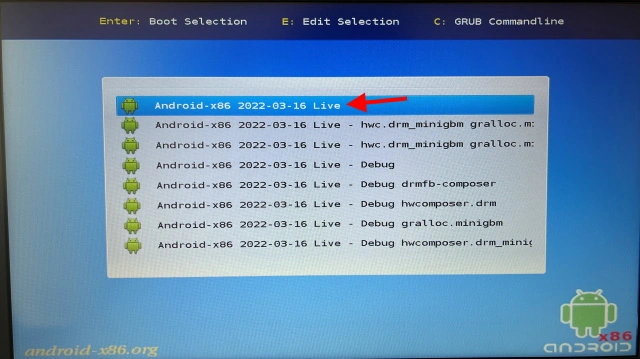
From the Bliss OS boot menu, choose the live option to run Android straight from the USB stick. Check Wi-Fi, sound, touchpad and display before you install anything. Nothing on your drive changes in live mode.
Step 5: Install to disk
- Boot the USB again and choose the installation option.
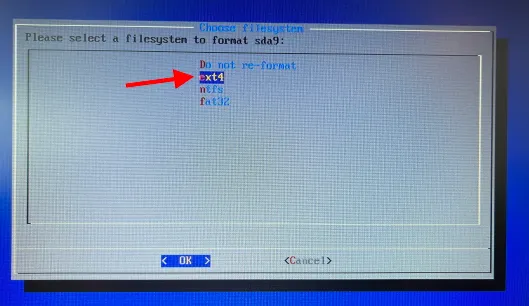
- Select the partition you created in Step 1. Double-check it, as it will be erased.
- Format it as ext4 when asked.
- Choose Yes to install the GRUB boot loader so you can pick between Bliss OS and Windows at start-up.
- Reboot, remove the USB stick and select Bliss OS from the menu.
If the PC boots straight to Windows after installing, check that Secure Boot is still off and that the Bliss OS entry is first in the firmware boot order.
Option 3: Run Bliss OS in a virtual machine
To try Bliss OS without touching your drives, create a VirtualBox or VMware VM with at least 2 GB of RAM and a 20 GB virtual disk, attach the ISO and boot it. Graphics performance is lower than on real hardware, but it is a safe way to explore.
Which option should you choose?
- You want to play Android games on Windows: Google Play Games for PC or BlueStacks.
- You want a specific app on your desktop: check for a native Windows app or web app first, then try BlueStacks.
- You have an old laptop that struggles with Windows: Bliss OS installed to disk.
- You build apps: Android Studio Emulator.
If you are moving files between devices, see our guide on sharing files from Android to iPhone, and if the old PC is going back to Windows later, our guide to factory resetting a Windows 11 PC will help.
Frequently asked questions
Can I still use Windows Subsystem for Android?
No. Microsoft ended support on 5 March 2025, and WSA can no longer be installed from the Microsoft Store.
What is the best way to run Android apps on Windows 11?
For games, Google Play Games for PC. For most other apps, an emulator such as BlueStacks. Developers should use the Android Studio Emulator.
Is Bliss OS free?
Yes. Bliss OS is free and open source. Download it only from the official Bliss OS website.
Can I dual boot Bliss OS and Windows?
Yes. Install Bliss OS to its own partition and let it install the GRUB boot loader, which lets you choose Bliss OS or Windows at start-up.
Can I run Android on a Mac?
Yes, using the Android Studio Emulator or BlueStacks for Mac. Bliss OS is designed for x86 PCs, not Apple silicon Macs.